

The specific aspect of Honjo Suzu being forced to get pregnant may relate to certain practices or societal pressures of the time. In some cases, widows, especially those from the samurai class, were encouraged or forced to have children to secure family lineage. This could involve marriage or concubinage arrangements.
In literature and drama, the figure of the widow often represents a person in "liminal space"—she is no longer a wife, yet she is not quite "free" in the eyes of a conservative society. Suzu’s character embodies this tension. By forcing the narrative of pregnancy upon her, the story highlights how her body is treated as a vessel for a legacy rather than an individual with her own desires. Themes of Autonomy and Survival
The aftermath of this coercion provides fertile ground for character analysis. Suzu is not a passive victim; her internal landscape is a storm of resentment, resignation, and a cold, hard resolve. The narrative explores the dissociation required for her to survive the act. She must separate her soul from her body to endure the intimacy forced upon her.
The title and premise you are describing are part of a 2024 production from the Japanese adult industry. According to listings on The Movie Database (TMDB)
As the months passed, Suzu's health and well-being became a concern. She struggled with the pregnancy, and her relationship with Tsunetomo remained strained. Despite this, she found solace in her own strength and resilience, vowing to protect her unborn child and ensure their future, no matter the challenges ahead.
Suzu's story, fictional or not, sheds light on the limited autonomy women had over their bodies and lives. In a society where family honor and lineage were paramount, women's reproductive roles were often exploited. For Suzu, becoming pregnant under duress would have been a life-altering event, one that could dictate her future and the future of any children she might bear.
Academic journals and historical texts focusing on Japanese history, particularly those dedicated to the Edo period and gender studies, can offer in-depth analysis.
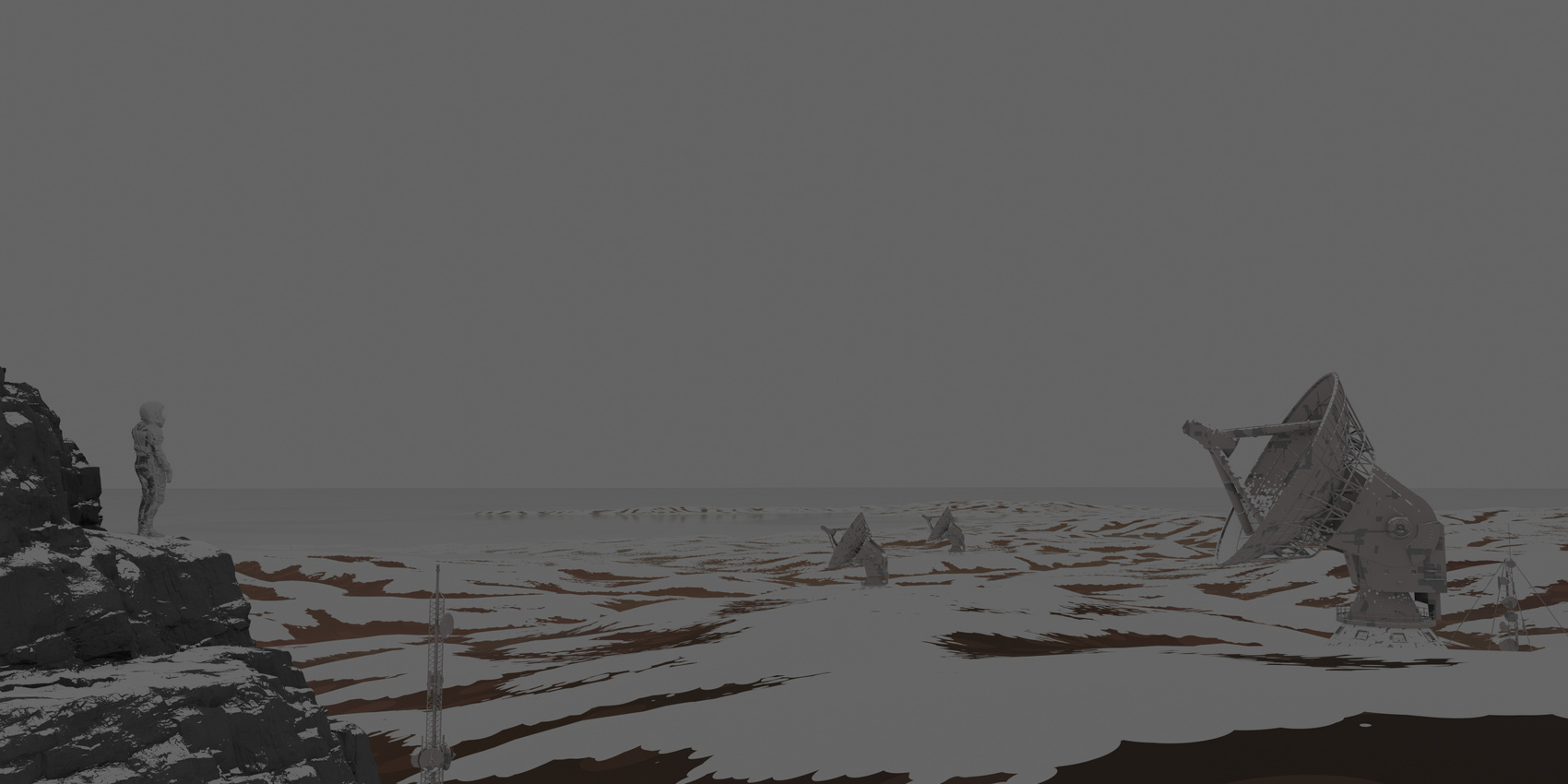
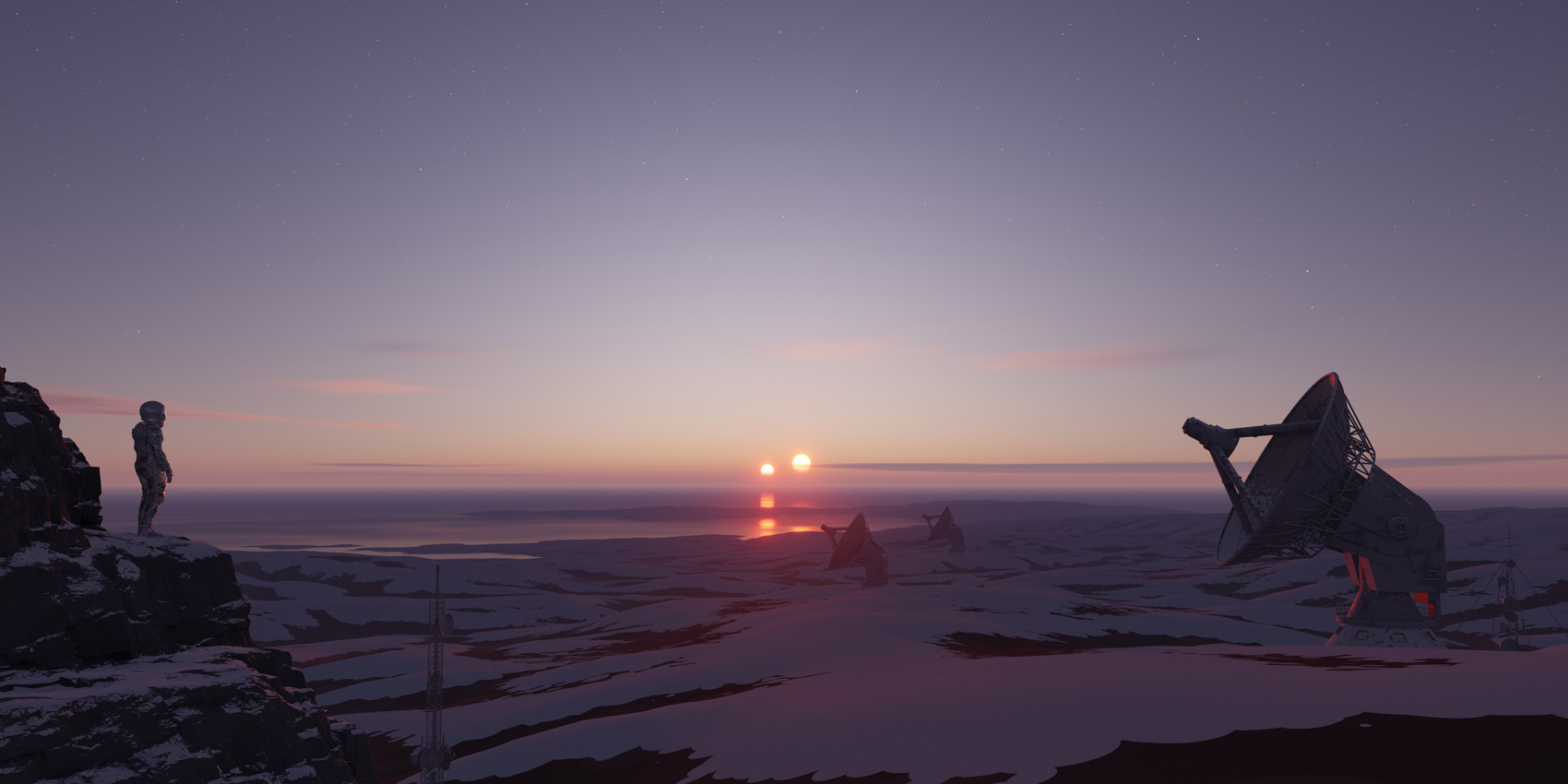
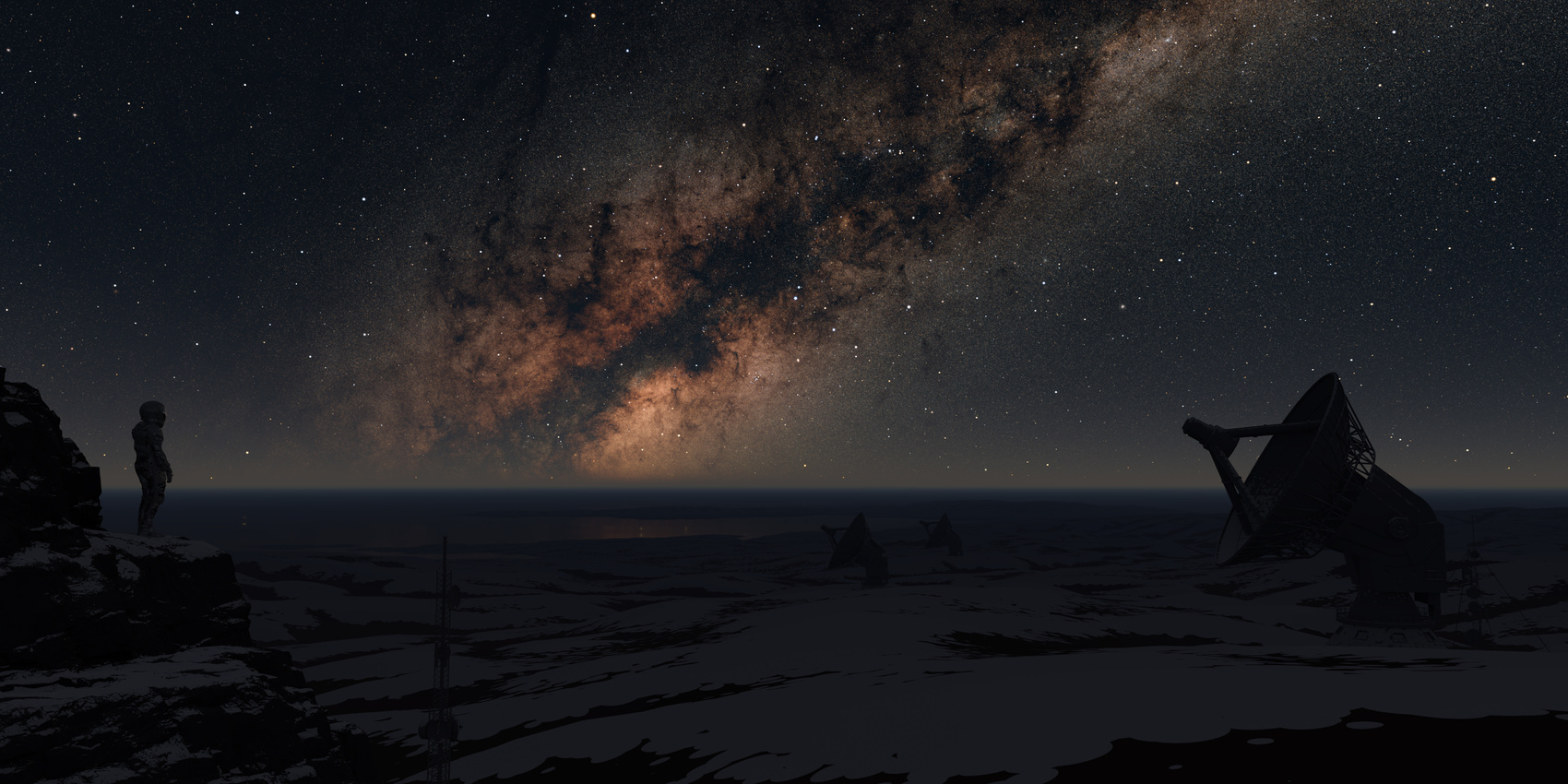
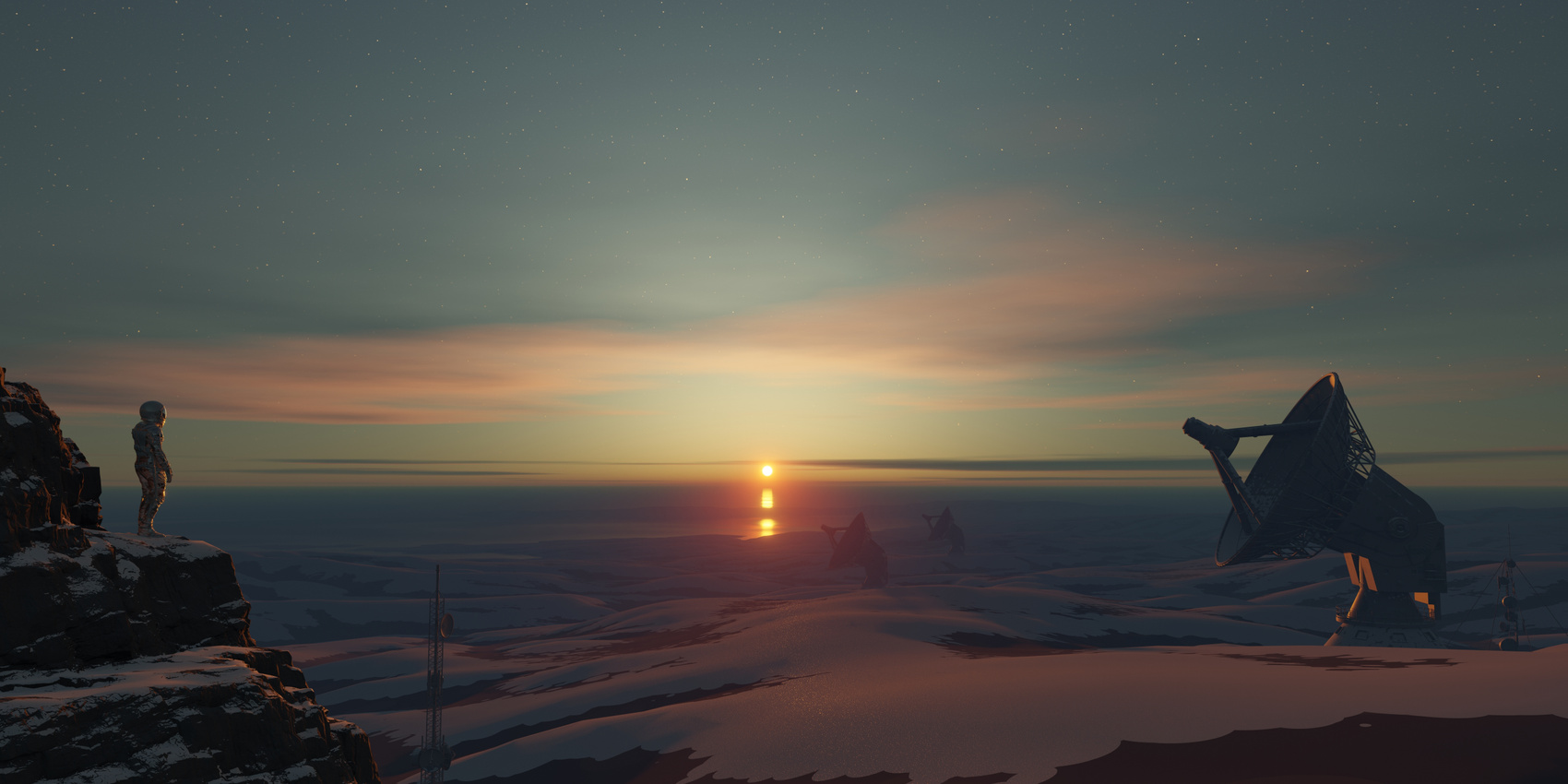
This addon saves hours that usually are invested in manually creating sky, atmosphere and placing sun object and stars, and automates it within a single click.
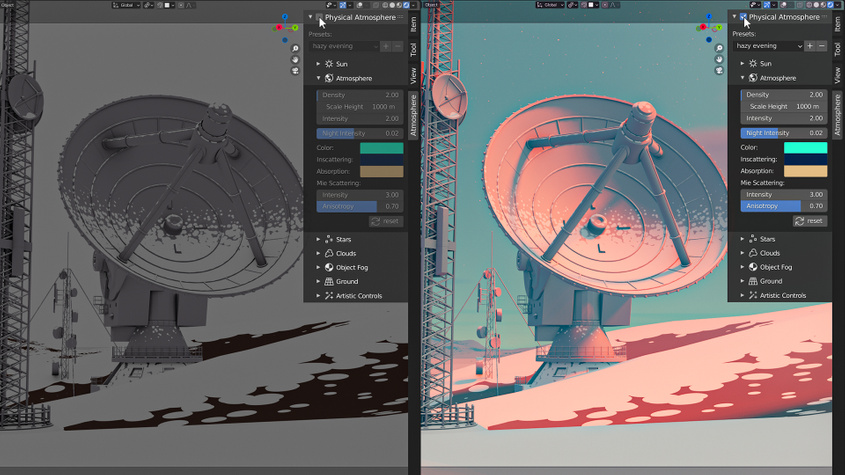
We have more than a decade of experience with atmosphere rendering techniques in computer graphics industry. Physical Starlight and Atmosphere addon is used in entertainment, film, automotive, aerospace and architectural visualisation industries.

Presets allow to store a snapshot of your customized atmosphere settings and return to it later or use already predefined presets provided by the addon.

We use a procedural method of calculating the atmosphere based on many tweakable parameters, so that sky color is not limited only to the Earth's atmosphere.

Works well in combination with Blender Sun Position addon. You can simulate any weather at any time.


"Physical Starlight and Atmosphere has been an invaluable tool for me in my personal/professional work and a huge missing link for lighting in Blender. It still feels like magic every time I use it, I can't recommend it highly enough!"

"Physical Starlight and Atmosphere has been an essential add-on for all of my environmental design projects. It gives me such incredibly flexibility and control over the look and feel of my renders. Lighting is key for any project, and this add-on always gives my work that extra edge."

"As a lighting artist, focusing on the overall mood of an image is super important. Physical Starlight and Atmosphere is based on reality, so I can spend all of my time iterating on the look without worrying about how to achieve it. "

"I love the tool. It has been my go-to since I picked it up a couple of months ago."

"My work life has become super easier since I started using Physical Starlight and Atmosphere, it cut down a lot of technical headache associated with setting up a believable lighting condition and gave me more time to concentrate on the creative part of my design process."
The specific aspect of Honjo Suzu being forced to get pregnant may relate to certain practices or societal pressures of the time. In some cases, widows, especially those from the samurai class, were encouraged or forced to have children to secure family lineage. This could involve marriage or concubinage arrangements.
In literature and drama, the figure of the widow often represents a person in "liminal space"—she is no longer a wife, yet she is not quite "free" in the eyes of a conservative society. Suzu’s character embodies this tension. By forcing the narrative of pregnancy upon her, the story highlights how her body is treated as a vessel for a legacy rather than an individual with her own desires. Themes of Autonomy and Survival
The aftermath of this coercion provides fertile ground for character analysis. Suzu is not a passive victim; her internal landscape is a storm of resentment, resignation, and a cold, hard resolve. The narrative explores the dissociation required for her to survive the act. She must separate her soul from her body to endure the intimacy forced upon her.
The title and premise you are describing are part of a 2024 production from the Japanese adult industry. According to listings on The Movie Database (TMDB)
As the months passed, Suzu's health and well-being became a concern. She struggled with the pregnancy, and her relationship with Tsunetomo remained strained. Despite this, she found solace in her own strength and resilience, vowing to protect her unborn child and ensure their future, no matter the challenges ahead.
Suzu's story, fictional or not, sheds light on the limited autonomy women had over their bodies and lives. In a society where family honor and lineage were paramount, women's reproductive roles were often exploited. For Suzu, becoming pregnant under duress would have been a life-altering event, one that could dictate her future and the future of any children she might bear.
Academic journals and historical texts focusing on Japanese history, particularly those dedicated to the Edo period and gender studies, can offer in-depth analysis.