













Urban legends and practitioners suggest that Singapore’s success is tied to its alignment with these metaphysical currents. While not "verified" in a laboratory, these beliefs are "verified" in the sense that they have actively influenced government and architectural decisions. The Singapore Flyer
Next time someone points to a map and says, “This is a verified ley line,” ask them: Verified by whom, and with what instrument?
Methodological issues in claimed verifications
After conducting extensive research, I found that Singapore, with its rich cultural heritage and lush green landscapes, presents an intriguing case for ley line enthusiasts. Several locations across the island were identified as potential ley line convergence points, including:
: The term was coined by Alfred Watkins in 1921 to describe straight-line trade routes in prehistoric Britain; he did not attribute supernatural energy to them. 2. Singapore Context: Feng Shui and "Dragon Veins"
While the existence of ley lines in Singapore remains unverified, my exploration has revealed a fascinating intersection of culture, history, and geography. Whether or not ley lines truly exist, the sites I've investigated offer a glimpse into the country's rich heritage and natural beauty.
: This zone is widely cited by experts at LinkedIn as one of the most Feng Shui-optimized urban areas globally, designed to "trap" and circulate energy. Verification & Academic Context
Urban legends and practitioners suggest that Singapore’s success is tied to its alignment with these metaphysical currents. While not "verified" in a laboratory, these beliefs are "verified" in the sense that they have actively influenced government and architectural decisions. The Singapore Flyer
Next time someone points to a map and says, “This is a verified ley line,” ask them: Verified by whom, and with what instrument?
Methodological issues in claimed verifications
After conducting extensive research, I found that Singapore, with its rich cultural heritage and lush green landscapes, presents an intriguing case for ley line enthusiasts. Several locations across the island were identified as potential ley line convergence points, including:
: The term was coined by Alfred Watkins in 1921 to describe straight-line trade routes in prehistoric Britain; he did not attribute supernatural energy to them. 2. Singapore Context: Feng Shui and "Dragon Veins"
While the existence of ley lines in Singapore remains unverified, my exploration has revealed a fascinating intersection of culture, history, and geography. Whether or not ley lines truly exist, the sites I've investigated offer a glimpse into the country's rich heritage and natural beauty.
: This zone is widely cited by experts at LinkedIn as one of the most Feng Shui-optimized urban areas globally, designed to "trap" and circulate energy. Verification & Academic Context
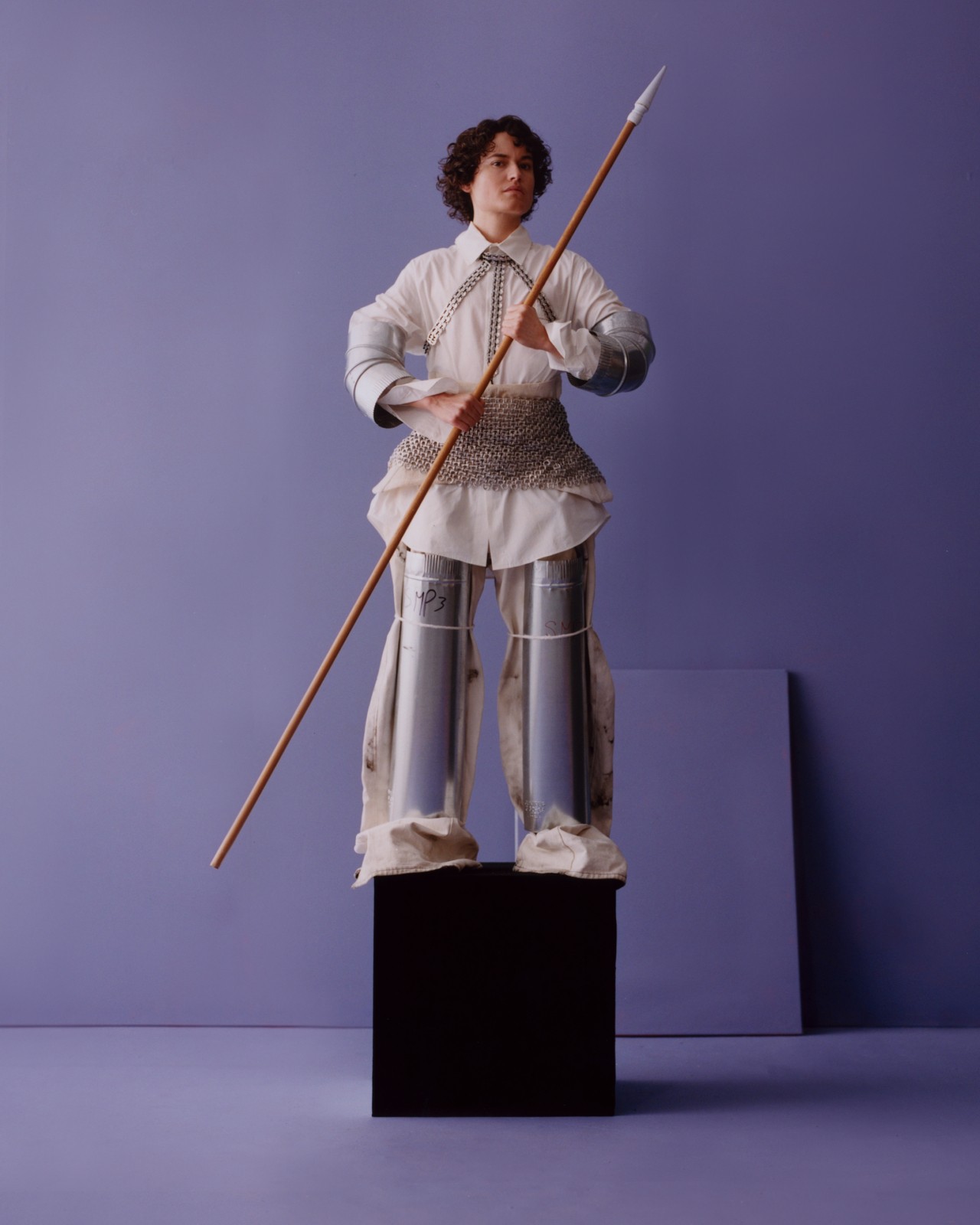
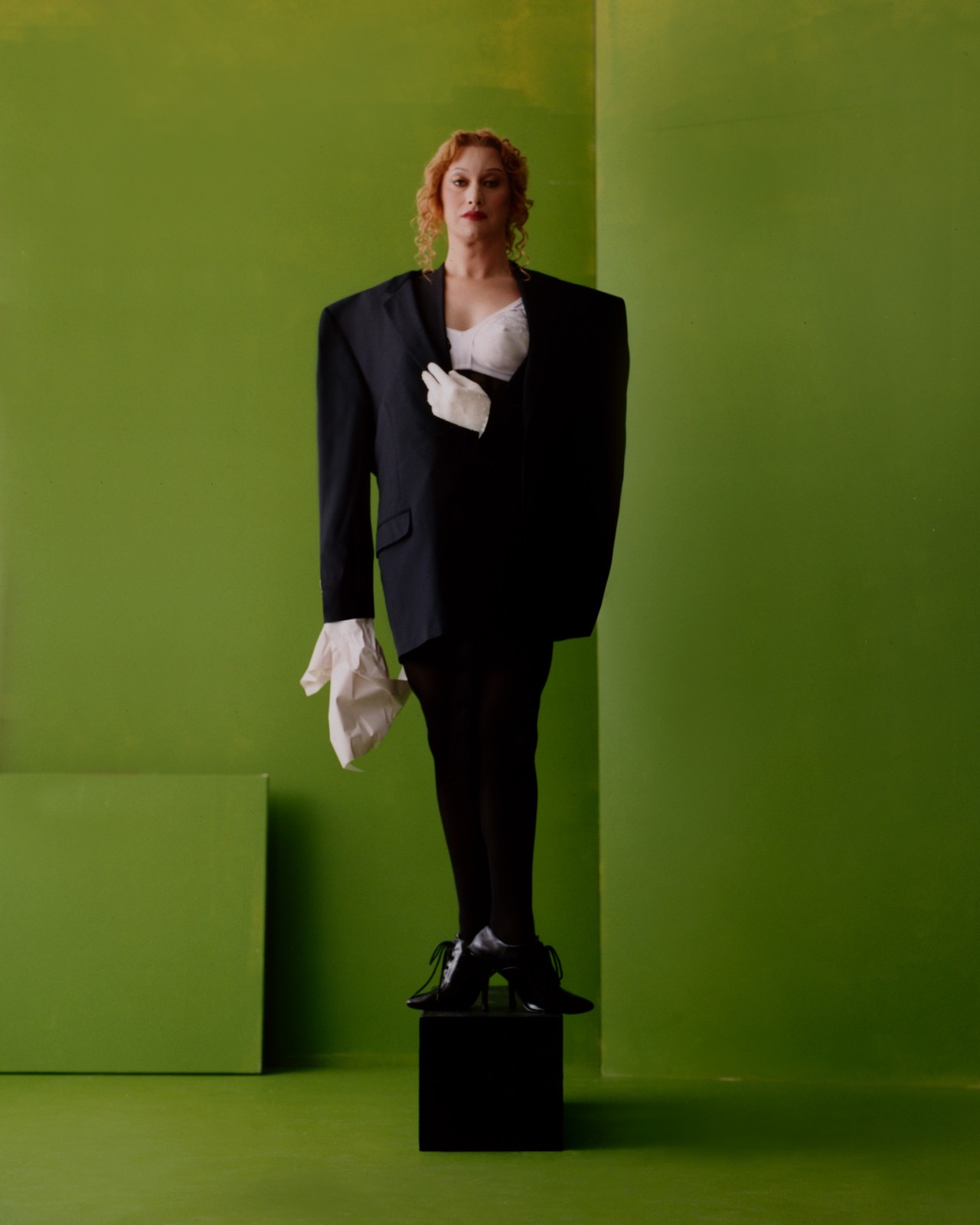
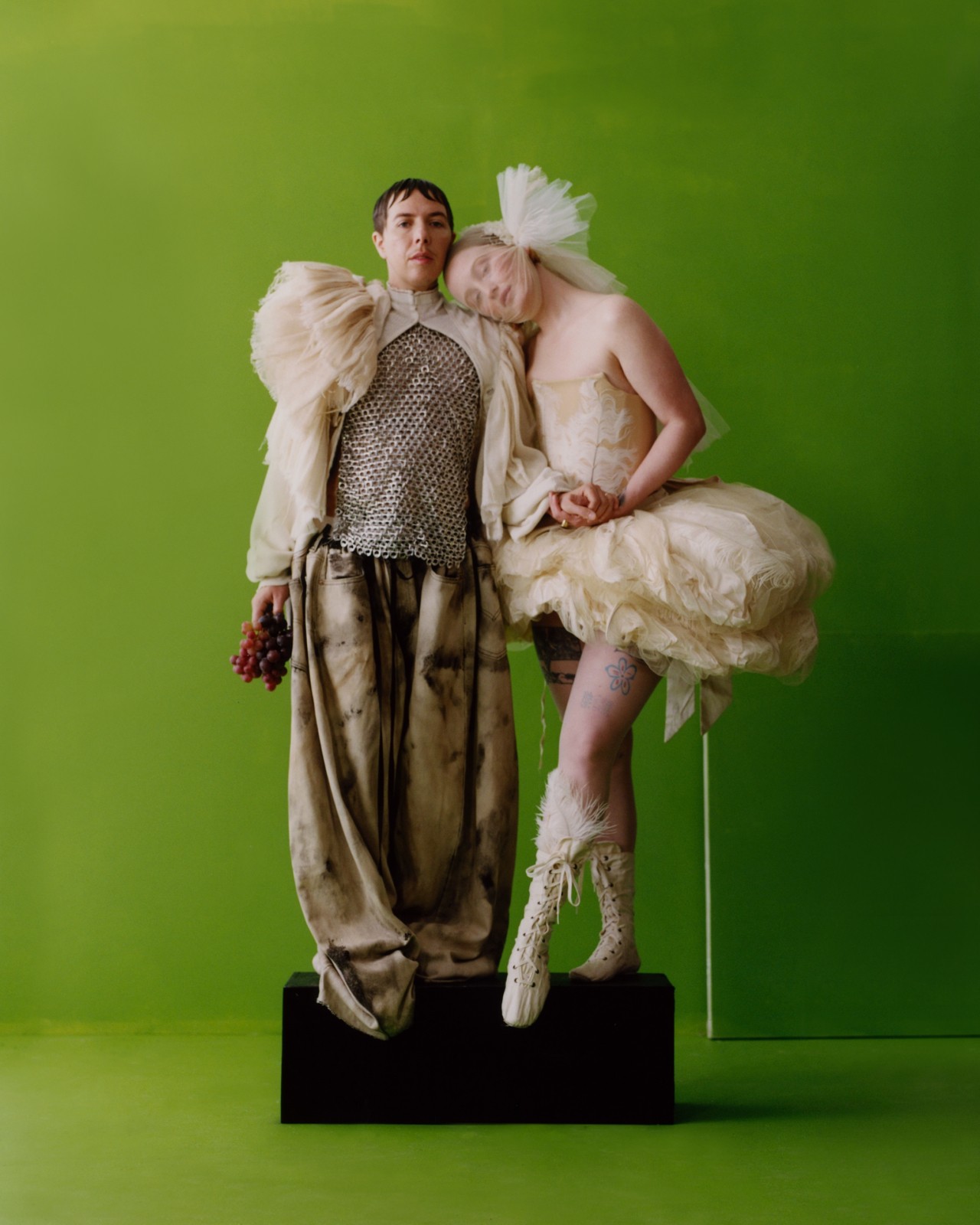
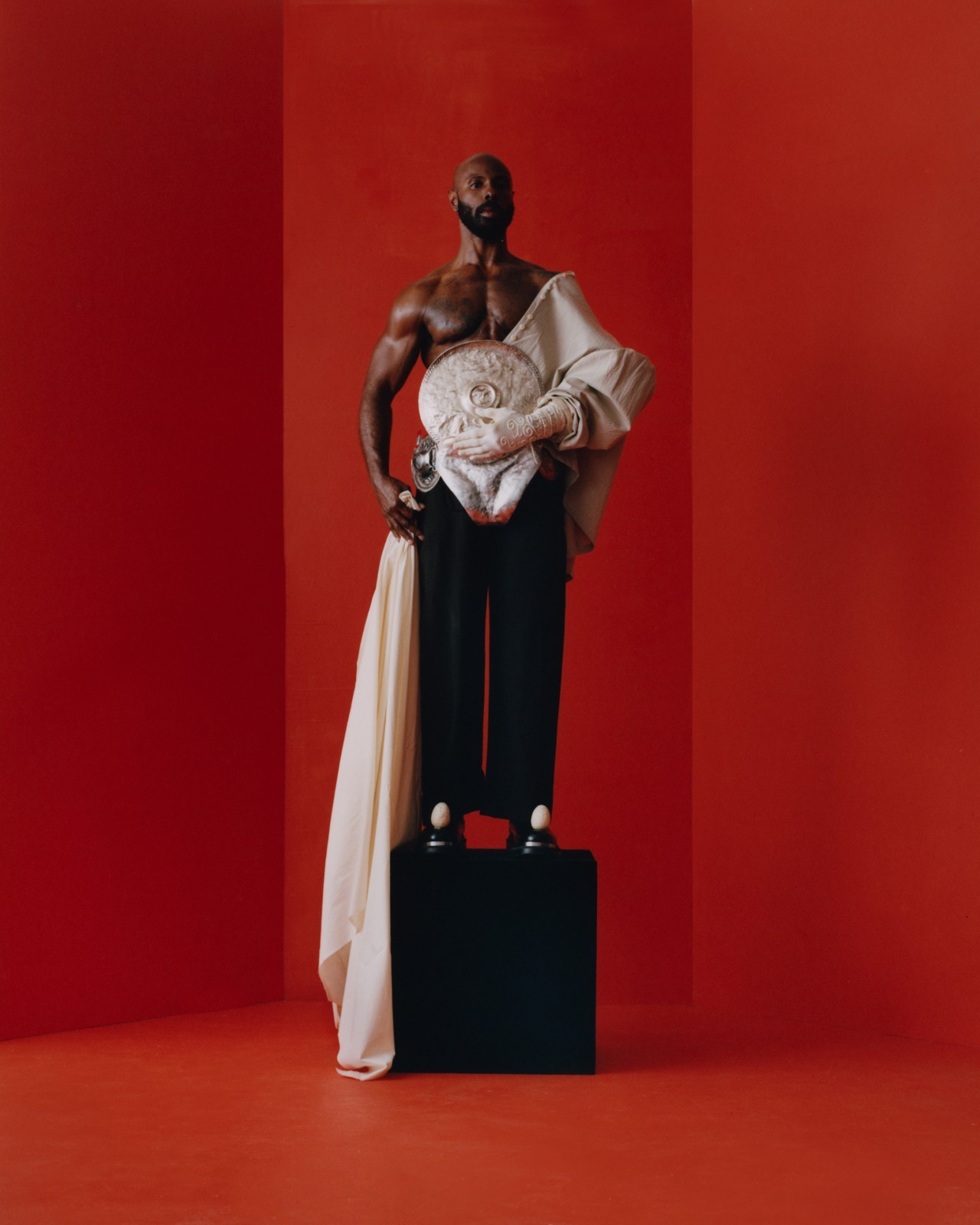
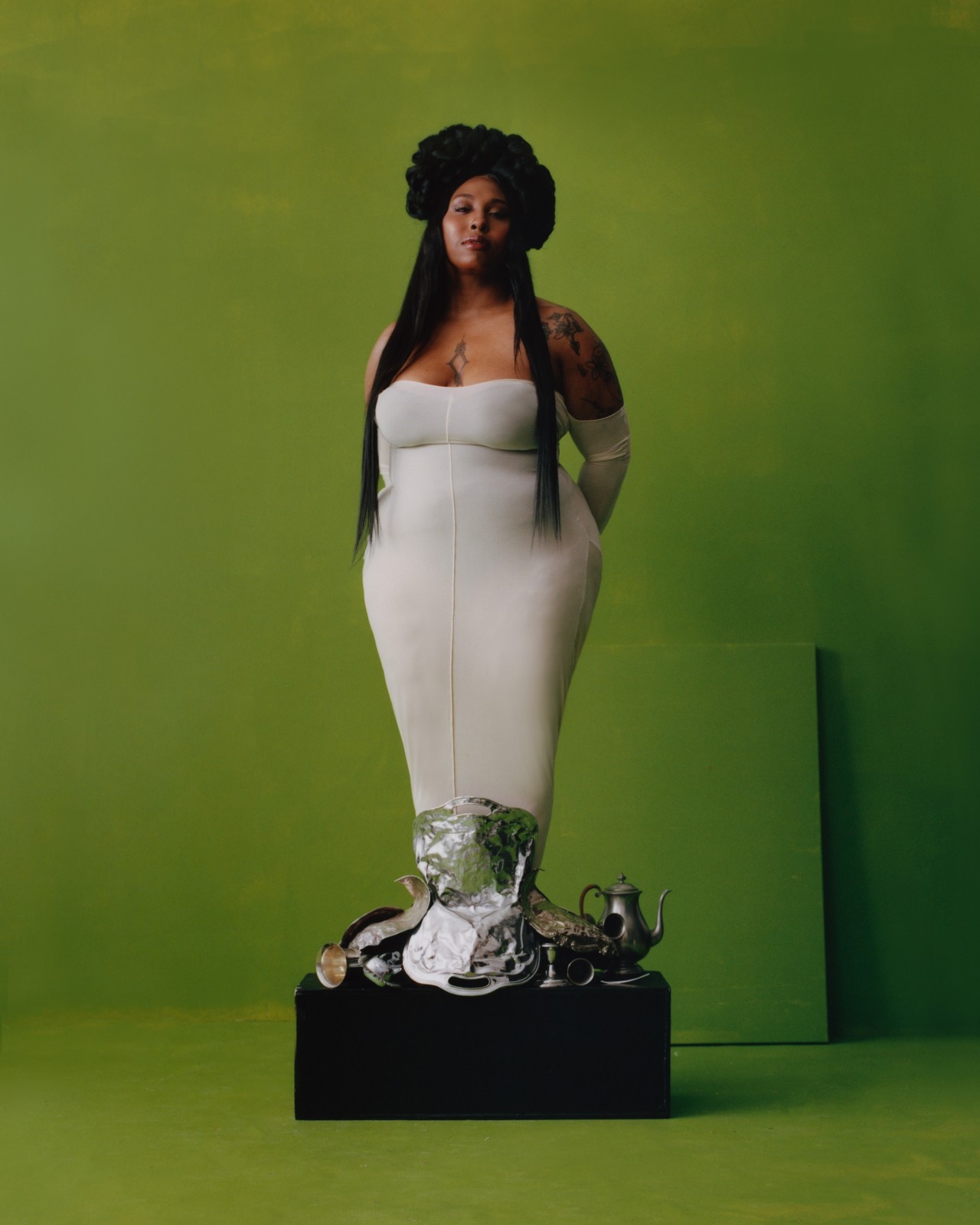
The Fruits We Bear: Portraits of Trans Liberation